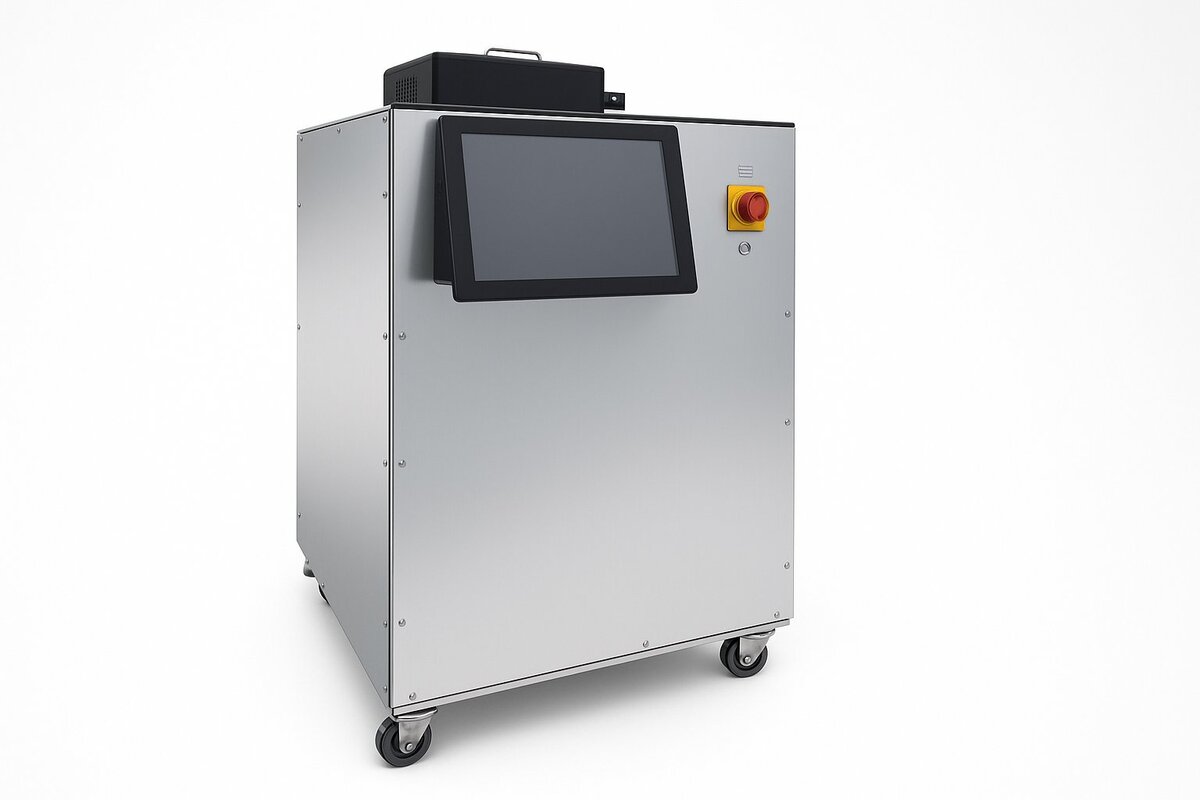
value enhanced rie etcher fleet optimization?
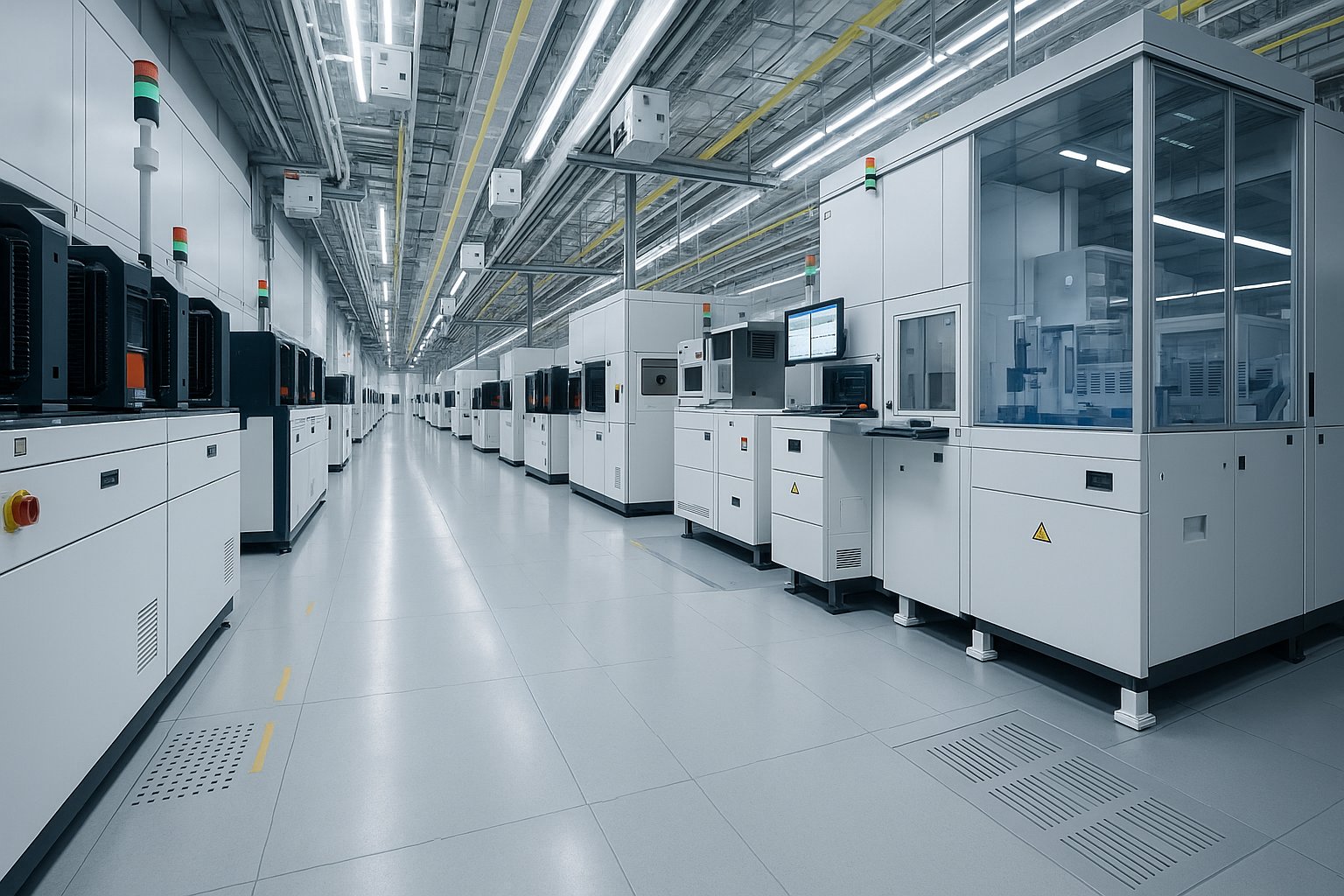
Central Ideas regarding plasma etching within electronic manufacturing. This method exploits ionized gas to precisely remove layered elements for controlled design during micro-device manufacturing. By refining critical parameters like chemical makeup, voltage level, and pressure force, the rate of etching, etch precision, and pattern fidelity can be precisely manipulated. Energetic ion etching has transformed chip fabrication, transducers, and state-of-the-art equipment.
- Besides, plasma etching is commonly used for branches concerning light technology, life sciences, and material physics.
- A variety of modes of plasma etching are practiced, including charged ion etching and inductive plasma removal, each with specialized pros and challenges.
The sophisticated characteristics of plasma etching call for a thorough grasp of the relevant worker science and chemical behaviors. This overview seeks to offer a thorough recap of plasma etching, including its core concepts, manifold models, implementations, advantages, complications, and anticipated innovations.
Riechert Microfabrication Precision Devices
Concerning tiny device fabrication, Riechert etchers stand out as a foremost tool. These novel devices are recognized for their impressive correctness, enabling the creation of complicated configurations at the microscopic extent. By employing sophisticated etching methods, Riechert etchers establish flawless management of the manufacturing sequence, generating first-rate outcomes.
Riechert etchers find application in a inclusive range of territories, such as microfluidics. From assembling microchips to designing advanced medical gadgets, these etchers form a cornerstone in molding the outlook of modern devices . With drive to superiority, Riechert frames benchmarks for exact microfabrication.
Fundamental RIE Methods and Functions
RIE process constitutes a vital process in integrated circuit processing. RIE utilizes a amalgamation of charged particles and reactive gases to excise materials with exact targeting. This process necessitates bombarding the surface area with high-energy ions, which react with the material to produce volatile gas chemicals that are then removed by a evacuation process.
RIE’s expertise in profile anisotropy makes it particularly valuable for producing fine configurations in integrated circuit parts. Use cases of reactive ion etching cover the development of semiconductor valves, electronic packages, and photonics elements. The technique can also form narrow slots and vertical passages for memory arrays.
- RIE approaches provide precise control over removal speeds and material discrimination, enabling the assembly of fine characteristics at superior clarity.
- Various plasma-reactive compounds can be selected in RIE depending on the component material and aimed process traits.
- The uniformly directed quality of RIE etching facilitates the creation of defined flanks, which is necessary for certain device architectures.
Optimizing ICP Etching Characteristics
Inductive discharge etching has appeared as a major technique for manufacturing microelectronic devices, due to its exceptional capacity to achieve high anisotropy and material selectivity. The meticulous regulation of operational factors, including plasma power, component balances, and system pressure, ensures the delicate calibration of material ablation speeds and feature configurations. This adaptability makes possible the creation of detailed forms with contained harm to nearby substances. By refining these factors, ICP etching can successfully lower undercutting, a habitual complication in anisotropic etching methods.
Review of Plasma Etching Strategies
Charged plasma-based removal processes are commonly utilized in the semiconductor realm for building delicate patterns on chip surfaces. This examination compares several plasma etching protocols, including chemical vapor deposition (CVD), to assess their capability for several compounds and targets. The study emphasizes critical factors like etch rate, selectivity, and surface morphology to provide a broad understanding of the strengths and shortcomings of each method.
Adjustment of Plasma Variables for Enhanced Efficiency
Gaining optimal etching rates in plasma operations requires careful condition tuning. Elements such as plasma power, chemical combining, and pressure setup greatly affect the material ablation rate. By thoughtfully changing these settings, it becomes attainable to strengthen capability levels.
Analyzing Chemistry in RIE
Reactive ion etching (RIE) is a essential process in small device creation, which incorporates the application of energetic ion species to specially sculpt materials. The essential principle behind RIE is the interaction between these dynamic ion beams and the component face. This association triggers chemical reactions that break down and detach chemical units from the material, creating a selected pattern. Typically, the process employs a mixture of chemical gases, such as chlorine or fluorine, which are excited within the reaction vessel. These plasma species affect the material surface, starting off the chemical etching reactions.Effectiveness of RIE is influenced by various aspects, including the kind of material being etched, the selection of gas chemistries, and the operating conditions of the etching apparatus. Precise control over these elements is required for gaining high-level etch structures and containing damage to close-by structures.
ICP-Driven Etch Profile Control
Gaining faithful and stable constructs is essential for the effectiveness of plenty of microfabrication routines. In inductively coupled plasma (ICP) technique systems, operation of the etch pattern is key in defining proportions and layouts of sections being created. Important parameters that can be varied to determine the etch profile entail chemical gas blends, plasma power, workpiece warmth, and the masking setup. By deliberately modifying these, etchers can achieve outlines that range from rounded to extremely directional, dictated by specific application specifications.
For instance, mainly vertical etching is often requested to create deep channels or conductive holes with accurate sidewalls. This is obtained by utilizing elevated halide gas concentrations within plasma and sustaining decreased substrate temperatures. Conversely, isotropic etching forms smooth profiles owing to the regular three-dimensional character. This style can be useful for extensive surface smoothing or smoothing.
Alongside this, cutting-edge etch profile techniques such as Bosch enable the manufacturing of extremely precise and slim and extended features. These techniques frequently require alternating between processing phases, using a integrated mix of gases and plasma conditions to attain the expected profile.
Recognizing key influences that shape etch profile regulation in ICP etchers is indispensable for improving microfabrication techniques and realizing the expected device utility.
Ion Milling Processes for Chip Manufacturing
Ionized particle machining is a primary technique executed in semiconductor creation to accurately ablate substances from a wafer layer. This technique implements activated plasma, a integration of ionized gas particles, to clear specific sites of the wafer based on their molecular profile. Plasma etching combines several strengths over other etching strategies, including high etch precision, which permits creating narrow trenches and vias with controlled sidewall erosion. This meticulousness is central for fabricating intricate semiconductor devices with stratified structures.
Deployments of plasma etching in semiconductor manufacturing are extensive. It is engaged to manufacture transistors, capacitors, resistors, and other fundamental components that form the bedrock of integrated circuits. Besides, plasma etching plays a major role in lithography systems, where it boosts the unerring formatting of semiconductor material to outline circuit layouts. The superior level of control offered by plasma etching makes it an essential tool for state-of-the-art semiconductor fabrication.
Upcoming Trends in Plasma Processing
Cutting-edge plasma etching is in perpetual innovation, driven by the heightened search for refined icp etcher {accuracy|precision|performance