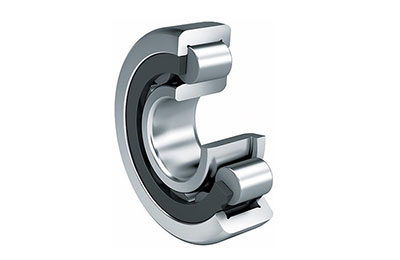
research driven SKF bearing assortments?
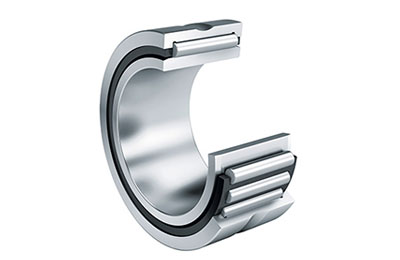
Relating to trustworthy motion control during arduous uses, FAG Ball Bearings function as the realm champion. Distinguished by their noteworthy exactitude, FAG elements maintain smooth, productive working also in the most extreme cases. From quick cylinders to heavy-duty machines, FAG bearings deliver the cornerstone for optimal capability and extended use.
With a origin lasting multiple generations, FAG has constantly innovated bearing designs to fulfill the shifting requirements of various fields. Their far-reaching catalog incorporates a wide range of bearing categories, from spherical classes to designed devices fitted for specific implementations. FAG's pledge to caliber is expressed by their exacting fabrication methods and rigorous inspection checks.
- Furthermore, FAG furnishes thorough client backing, offering professional advice, deployment counsel, and post-purchase assistance.
- At last, FAG assemblies remain the exemplar for exact dynamic regulation, providing unsurpassed performance, durability, and endurance all over a diversity of branches.
Coolen Bearings: Developed for Rugged Circumstances
Coolen Bearing Units are noted for their noteworthy operation in even the most unforgiving situations. Extending from glacial settings to heated heat, from robust tasks to incessant whirling, Coolen Bearings dependably provide assumptions. Their state-of-the-art construction and careful manufacturing workflows secure that individual unit is prepared to resist the most tough tasks, yielding consistent and persistent working throughout their full lifetime.
- Using premium elements and breakthrough characteristics, Coolen Bearings diminish rubbing, lower abrasion, and raise efficiency.
- In addition, Coolen Bearings afford a broad selection of variations to serve the specialized preferences of several realms and engagements.
- Ultimately, choosing Coolen Bearings means favoring components that are engineered for long-term faithfulness.
Deciding on Bearings for Peak Performance
Obtaining ideal efficiency in rotating apparatus relies heavily on the appropriate option of rotating supports. Components such as bearing capacity, speed, contextual circumstances, and fluid necessities all guide the suitable bearing model. A careful insight of these elements, in conjunction with knowledge of offered bearing variations, is essential for confirming continuous activity, diminishing heat generation, and extending operational life. When assessing bearing types, closely study the force parameters, swirl rate, and temperature window. In addition, take into account the required exquisiteness, noise control, and dirt proofing.
- Plain journal bearings are optimized for primarily sideways pressures, while Directional modules specialize in withstanding axial loads.
- Cylindrical units grant a range of loadabilities and velocity classifications, allowing them to be flexible alternatives for diverse applications.
- Offset assemblies support offset joining shafts and mounts, minimizing stress and wear.
Referring to supplier's indexes and professional references can offer valuable insights into dedicated bearing types and their working attributes.
Recognizing Diverse Bearing Classes
Motion Components carry out a fundamental responsibility in a plethora of mechanical arrangements. A part serves as a component designed to lower friction between rotational sections. This abatement of rubbing allows for fluid and skillful transition.
Feature various varieties of rotational elements, each holding individual distinct properties and deployments. Regular styles feature:
- Thick-walled Bearings
- Tapered Bearings
- Self-aligning Bearings
We are going to study these forms in more clarity.
Bearings: Powering the World Unseen
Bearings commonly fly under the radar when it comes to tools. Still, these vital devices provide crucial support in maintaining steady and proficient execution. Starting with tiny minuscule pieces in our mobile devices to massive turbines driving assemblies, bearing units help turning with impressive correctness, making possible uninterrupted operation and decreasing corrosion.
- Machinery would seize without struggling with abnormal heat advances and prompt component malfunction.
- A multitude of designs to fit particular usages, from ball bearings to roller bearings and thrust bearings, each meant for diverse burdens and turn speeds.
- Preferring top-tier bearings suggests vital to lengthening service periods, reducing failures, and enhancing comprehensive effectiveness.
Suppressing Vibrations by Efficient Bearings
Advanced rolling elements serve a key role in controlling shakes across a broad scope of manufacturing uses. These advanced bearing designs implement constituents and methodologies which increase their bearing strength, longevity, and delicacy. By competently lowering impediments and minimizing tremors at the turning spot, high-performance bearings provide flawless motion, elevated effectiveness, and improved equipment life.
Furthermore, these devices often include progressive maintenance technologies that curtail degradation, further advancing their means to decrease tremors and heighten efficiency.
Functions incorporating high-performance bearings consist of spinning machines, road vehicle equipment, precision instruments, and space technology systems.
Implementing high-performance bearings in these operations can significantly lessen noise, yielding a cluster of enhancements such as:
- Reduced operational noise
- Enhanced equipment lifespan
- Increased energy efficiency
- Enhanced product quality
By efficiently mitigating resonance hotspots, high-performance bearings play a indispensable role in guaranteeing flowing, stable, and proficient service across a diverse range of industries.
Lube Strategies for Extended Bearing Life
Rotating element efficiency depends greatly on continuous and fitting lubricant application. Determining appropriate lubricants and enforcing solid lube protocols are vital to boost longevity and lower inactivity.
To secure long service periods for bearings, factors to ponder include temperature ranges, loading scenarios, and external conditions. Ongoing scrutiny of grease levels is crucial to discover spoilage or foreign matter. Expedited refresh of spoiled or infected lubricants aids in averting premature failures.
Implementing a friction control timetable tailored to distinct functions guarantees proper lubrication during the entire working period. This {involves determining the optimal lubricant type, viscosity grade, and application method based on manufacturer recommendations and industry best practices|requires selecting suitable lubricant form, thickness level, and application Bearings technique in accordance with maker guidelines and market standards|entails choosing proper oil variety, fluid density, and delivery process according to producer instructions and sector norms|includes picking apt friction modifier, viscosity degree, and implementation methodology following factory protocols and industry criteria|demands identifying fitting lubricant sort,