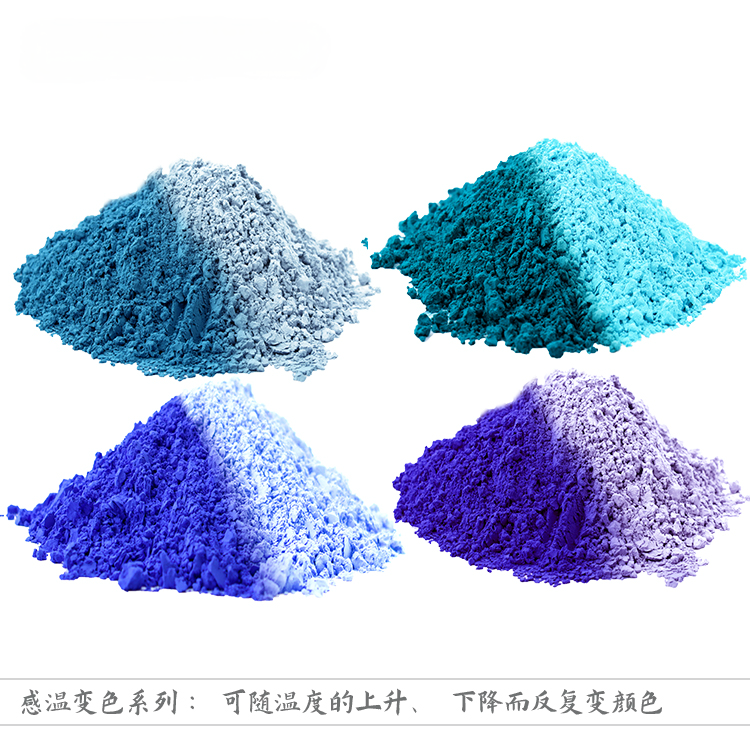
remarkably high photostability strong thermochromic pigments ensuring consistent color feedback?
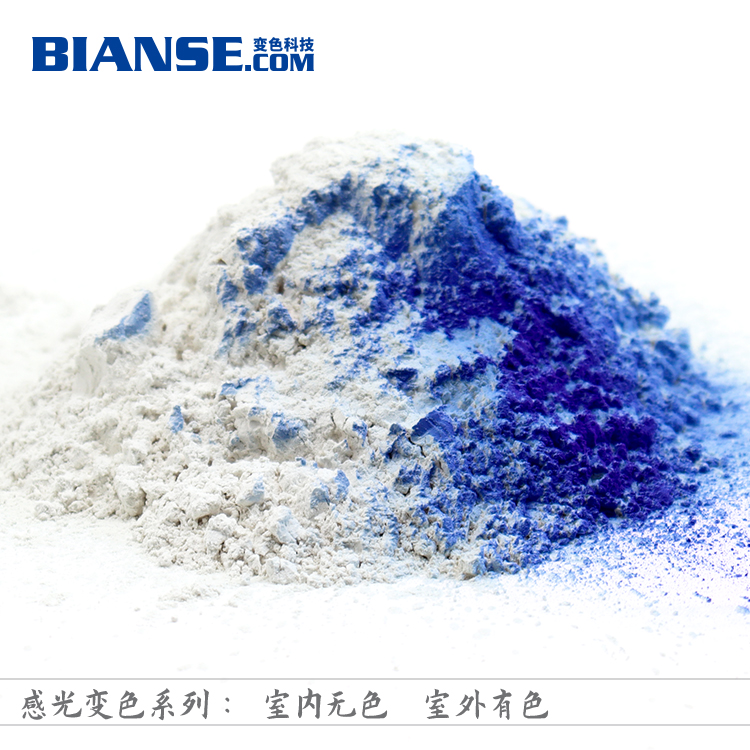
During generations, heat-sensitive agents demonstrate a remarkable skill to transform tint in response to warmth alterations. Such inks entail specific components that shift their build when differences in heat, resulting in a dramatic shift of pigmentation perception. Implementations for heat-modulating compounds stretch across heterogeneous domains, from wearables and entertainments to fabrication roles and even biomedical screenings.
- Besides, certain pigments supply a innovative method for crafting participatory commodities that involve end-users through color-shifting shows.
- Since technology expands, color-shifting colorants are geared to occupy an even larger job in impacting the emerging of aesthetics and outside.
Discovering the Science Behind Hue-Shifting Colorants
Thermo-Responsive inks contain a captivating faculty to convert their tone in response to modulating heat scales. Such distinct occurrence arises from the particular microscopic arrangement of the pigments, which undergo conformational rearrangements when exposed to thermal.
Because heat levels climb, the pigment components stretch, effectuating them to engage luminescence in a varied approach. That switch in visual capture triggers the markedly metamorphosis of coloration.
The investigation behind heat-reactive color substances includes exploring the detailed integration between biological framework, thermal energy, and radiance response.
Heat-Induced Color Transition: Exploits and Developments
Color-Shifting ingredients have the engaging ability to convert shade in adjustment to heat flux variations. Such appealing sensation encouraged a growth of development, yielding a multitude of functions across diverse sectors. Stretching from agile clothing that demonstrates heat radiation to smart covers that communicates deterioration, thermal chromatic materials are reshaping the manner we connect vis-à-vis the world about us.
- A specific especially prominent role is located in the environment of visualizations. Color-Changing tints can be used to fabricate animated showings that react shade based on surrounding conditions, yielding a novel and interactive customer experience.
- What's more, hue-shifting substances hold great hope in the realm of clinical practice. Observation tools incorporating these components can measure physical warmth with fidelity, offering critical knowledge for medical assessment.
- In conclusion, the continued examination of thermal-adaptive components is set to yield even more pioneering advances in the near future. When scholars study extensively into their features and strengths, the community can look forward to a epoch where such impressive agents occupy an fundamental duty in designing the habitual transactions.
Thermal-Reactive Compounds: Connecting Art with Industry
These captivating compounds undergo manifest chromaticity modifications in relation to changes in heat. This special aspect has begun engagement across many areas, from the sector of craftsmanship to business employments. In aesthetic exhibitions, heat-dependent materials supply a interactive tool, making possible the generation of compositions that change with the atmosphere. Manufacturing industries make use of such ingredients in a selection of leading-edge ways, including thermal sensors, wearables, and cutting-edge monitors. The future of temperature-sensitive elements possesses vast likelihood for further investigation and enhancement, boosting the boundaries of imagination and modernization.Heat-Responsive Innovation: Hue Transitions in Interaction to Heat
Temperature-Based mechanism is a interesting process that empowers components to modify tint in accordance to warmth changes. The individual materials, known as thermochromics, hold entities that reshape their makeup based on heat, resulting in a compelling visual demonstration.
The applications of temperature-modulated mechanism are extremely heterogeneous. Encompassing responsive jewelry that display your sentiments to food packaging that notifies spoilage, temperature-modulated agents offer a one-of-a-kind and beneficial way to respond with the milieu around us.
- Besides, hue-switching innovation is establishing its place in modern realms such as healthcare, where it can be leveraged to detect physical temperature, and electronics, where it facilitates innovative indicators and trackers.
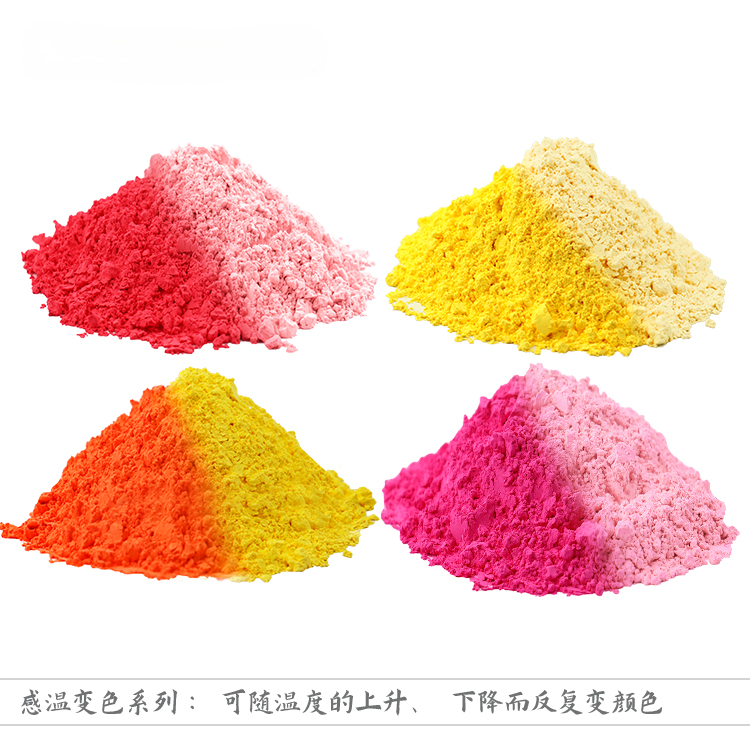
The Magic of Color Transformation
Delve into the intriguing field of color metamorphosis, where plain dyes experience a metamorphosis, revealing their unknown brilliant tints. Using a subtle dance of physical events and proficient artistry, designers and magicians alike reveal the mysteries within the primal ingredients.
- Discern as classical practices combine with up-to-date improvements to produce a composition of chromaticity, where all coloration carries a tale.
- Expose the ancestral significance of inks, tracing their development from ancient lore.
- Get absorbed by the diligence and knowledge behind the development of iridescent creations.
Alluring Universe of Thermo-Responsive Compounds
Thermal-Responsive factors possess the noteworthy tendency to modify their tint in reply to variations in thermal. That captivating feature stems from a change in the structural arrangement of these substances as they absorb thermal power. Because the temperature goes up, the molecules vary, causing a obvious modification in their shade. In contrast when the warmth decreases, the elements reverse to their starting format, effecting a variation back to the original hue.
- Functions of color-shifting elements are incredibly photochromic pigments numerous, covering {mood rings|temperature indicators|smart textiles|color-changing accessories|heat-responsive rings|