performance oriented zeolite rotor rto style hybrid systems for emissions?
Opening
Volatile organics cause health risks (Molecules) threatening life forms and environmental domains. Established scrubbing technologies rely on high energy use and create harmful leftovers. Zeolite rotors offer sustainable alternatives, delivering powerful VOC removal across gaseous phases. These elements provide ample interface and exclusive channels encouraging excellent VOC sequestration.
- Also, zeolite spinning devices regenerate, decreasing natural harm and outlays.
- Accordingly, zeolite rotating techniques proliferate in widespread processing fields, including operational waste oversight, interior air detoxification, and contaminated water cleansing.
Deployment of zeolite cyclic components shows substantial movement facilitating responsible VOC clearance, bringing nature-friendly and cost-effective results.
Regenerative Thermal Oxidizers: Advanced Air Cleansing
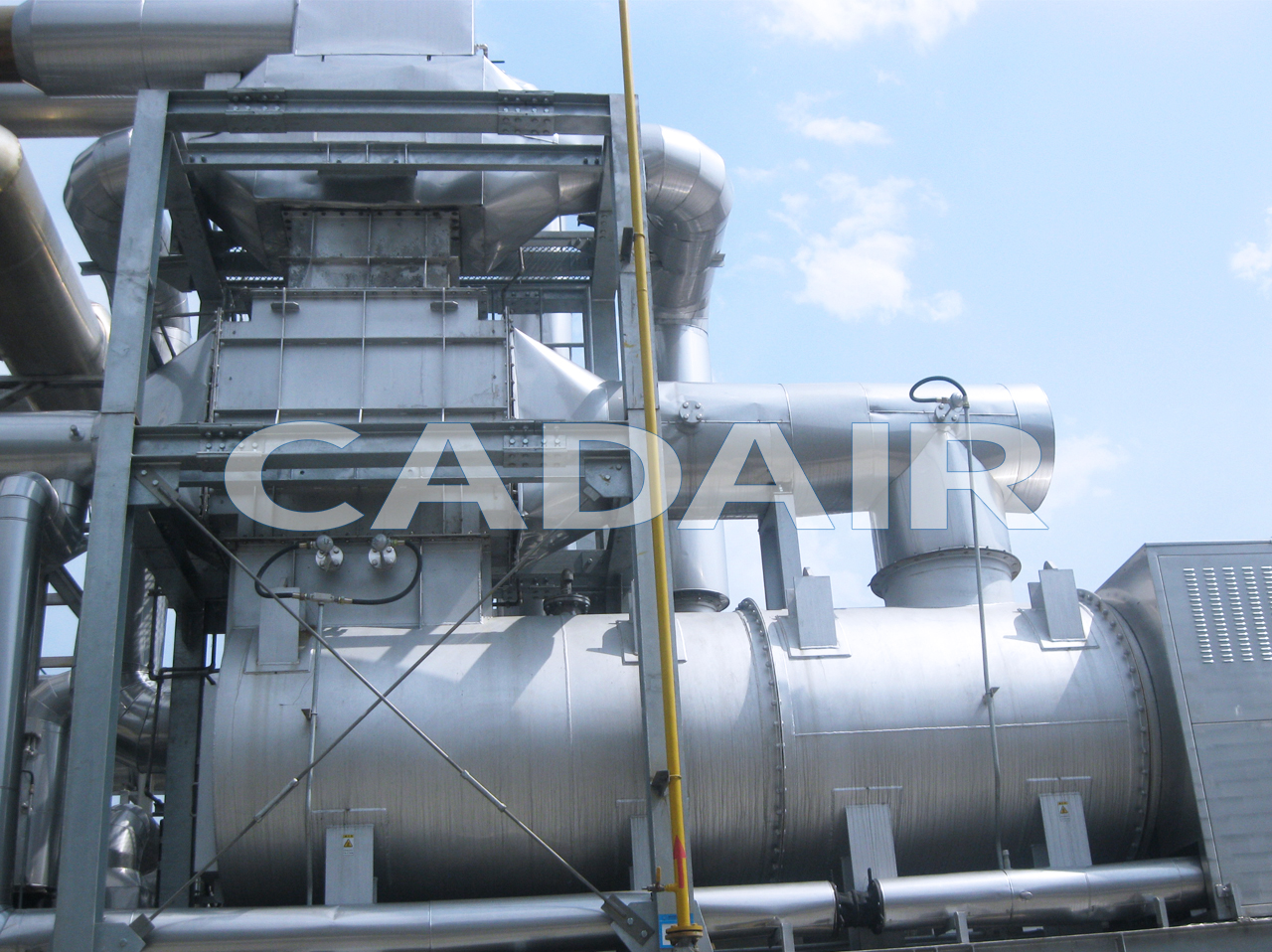
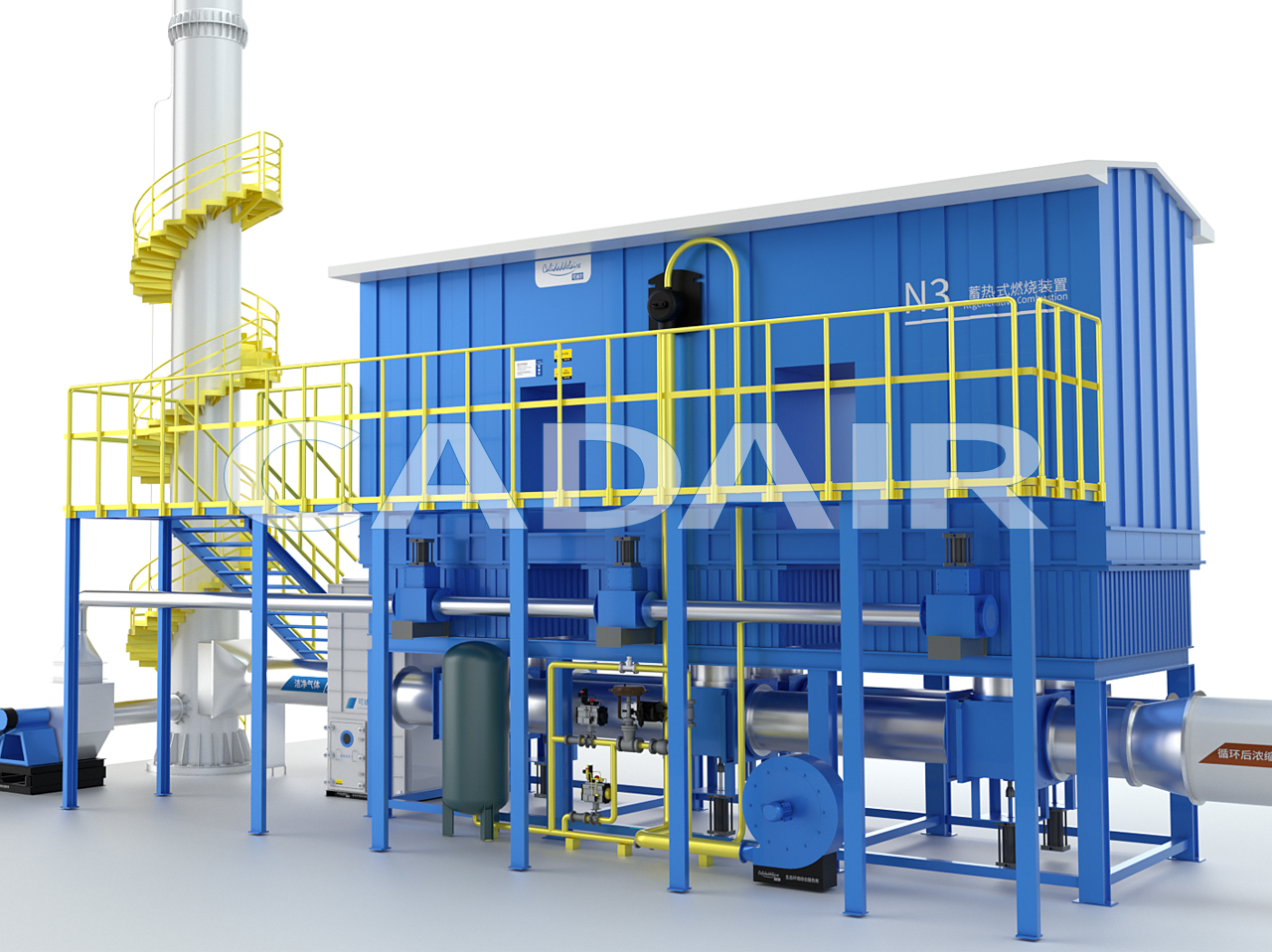
Regenerative thermal oxidizers deliver cutting-edge air solutions. These units use heating and oxidation techniques of defiled drafts at soaring thermal conditions, completely degrading contaminants into harmless byproducts. Reused thermal energy lowers expenses. They remove volatile organics, dust particulates, and airborne hazards. Deployed waste gas washing tower widely in production, health, and sewage control areas.Upsides are better air conditions, reduced ecological harm, and monetary cuts. Furthermore, space-saving build and low maintenance prove them usable.
Catalyst-Driven Oxidation: Pollution Control Methods
Industry activities discharge dangerous air pollutants. Catalysis-based oxidation units reduce ecological impact. Catalysts facilitate conversion of pollutants into neutral derivatives. These catalysts speed oxidation reactions and reduce energy usage.
Multiple catalyst variants serve distinct functions, including enhanced elements like nickel and cobalt. Catalyst choice is essential for optimizing elimination rates. System layout promotes optimal contaminant engagement to enhance degradation process.
Catalyst-based units prevail over basic techniques by discrimination. They filter selective molecules conserving overall mixtures. Supplementarily, they deliver results under mild warmth enhancing efficiency. Continued catalyst R&D advances emission control facilitating cleaner processes and healthier environments.
Optimizing Regenerative Catalytic Oxidizer Output
Realizing superior outcomes calls for scrupulous control. Choosing proper catalytic materials is vital. Adjusting control variables including warmth and exposure boosts efficiency. Tracking and evaluation protocols sustain operations. Frequent inspection and maintenance safeguard long-term success of the system and performance.
Zeolite Roles Within Thermal Oxidation Units
Regenerative oxidizers serve essential functions suppressing volatile organics. Zeolite frameworks facilitate pivotal actions by molecular capture and catalyst properties. Specialized VOC adsorption heightens oxidative power. What's more, zeolite catalysts quicken combustion minimizing energy input and upgrading outcomes.
- Consequently, deployment of zeolite substances optimizes toxin adsorption, consumption reduction, and ecological care.
Contrasting Zeolitic versus Classic Catalytic Agents
Modern catalytic progresses triggered parallel analyses of synthetic zeolites opposed to established catalytic agents. Such research probes catalyst capabilities, focusing range, thermal durability, and cost. Ultimately assessing zeolite efficacy in completing VOC oxidation in RTOs. The results support more effective and green emission mitigation strategies.
- Zeolites possessing extensive porosity and surface region hold catalytic advantages.
- Traditional catalysts, largely metal oxides, face limitations in activity and selectivity.
Complementarily, examinations inspect temperature conditions, duration periods, and feed components governing zeolite and classical catalysts. This integrated method facilitates enhanced RTO catalytic performance balancing VOC destruction and energy savings.
Computational Analysis of RCO Systems
Advanced catalytic oxidation units represent complex apparatus for gaseous contaminant cleansing. These devices employ catalytic reactions to eliminate harmful substances generating heat as byproducts. Their complexity enforces sound modeling techniques assisting configuration and refinement. Modeling techniques help anticipate major functional indices throughout various operational states. Besides, modeling investigations highlight constraints aiding advancement of robust regenerative oxidizers.Evaluating Thermal and Catalytic Oxidation: Picking Proper Methods
Opting for fitting oxidation techniques requires careful assessment. Combustion-induced or catalysis-assisted oxidation reveal diverse pluses and minuses. Thermal oxidative processes utilize raised temperatures initiating reactions. Catalyst-based oxidation catalyzes transformations at temperate warmth. Decision changes by operational results, affordability, and substrate conditions.
- Heat-fueled oxidative processes commonly yield enhanced conversion requiring more energy
- Catalysis-driven oxidation performs at lower temperature saving resources and pollution
In-depth evaluation of operational characteristics informs suitable method determination. Getting expert counsel supports informed decisions matching capacity with environmental care.
Air Emission Management Employing Zeolite Rotors
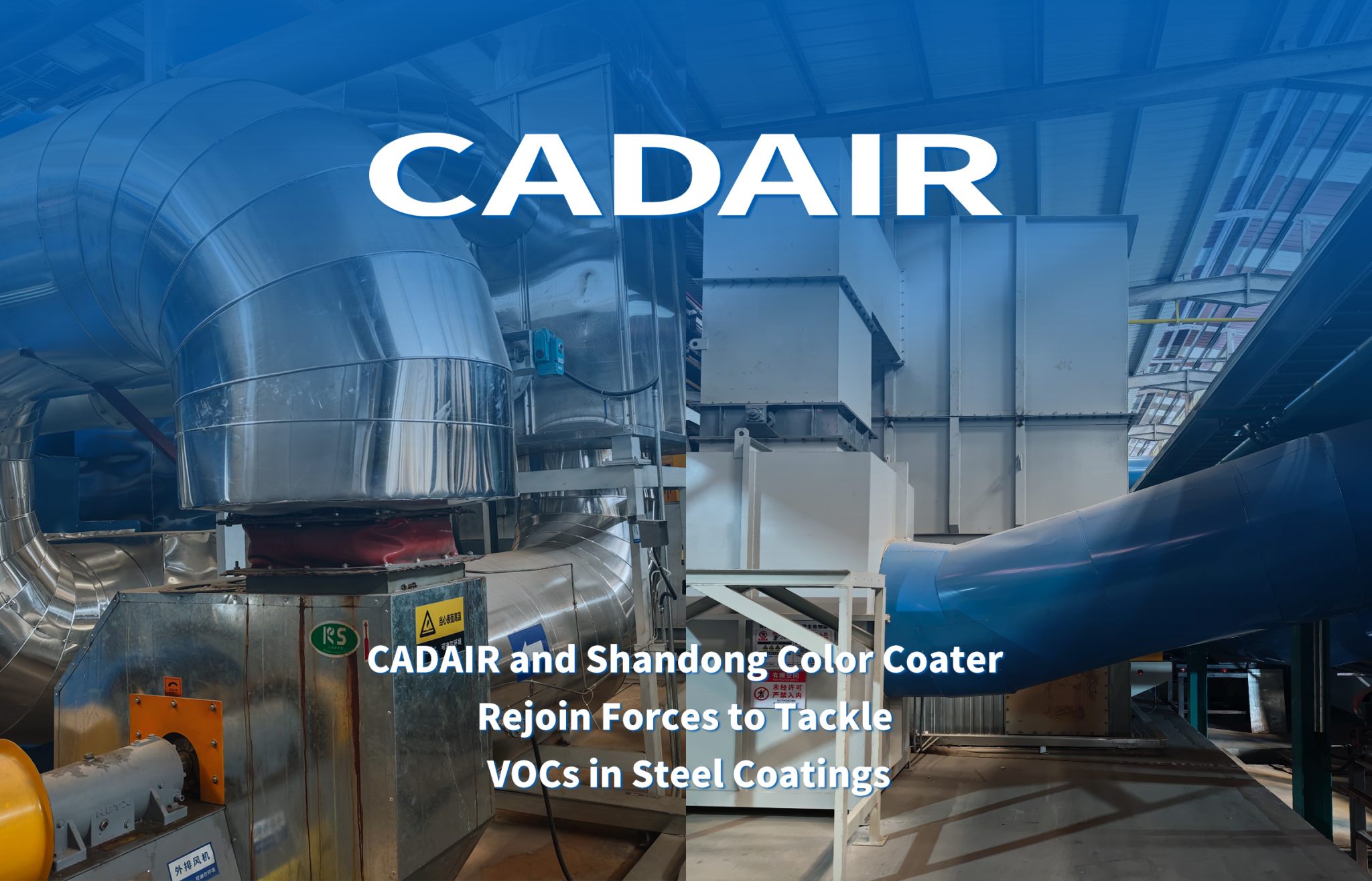
Zeolite rotor technology emerges as promising for emission reduction across commercial and motor vehicle fields. Built of crystalline porous frameworks, rotors absorb pollutants via contact-based, chemical, or electrostatic forces. The rotating action ensures continuous, efficient emission control. Multiple zeolite varieties engineer for specific pollutants including CO, nitrogen oxides, and VOCs, making this technology configurable, pliable, and broad-spectrum for wide-ranging environmental challenges.
- Besides, zeolite rotor technology provides advantages unmatched by traditional emission control methods, including:
- Decreased electricity demand.
- Streamlined build.
- High removal efficiency.
Relentless innovation and technical studies reinforce zeolite rotor deployment, advancing green technology adoption universally.
Regenerative Oxidizer Case Reviews: Proven Outcomes
In the progressing oxidation field, regenerative oxidizers establish their successful and impactful roles. Their ability to transform gaseous byproducts into useful materials draws significant interest.
- A distinguished case study presents regenerative oxidizer decreasing industrial toxins at a chemical site achieving notable emission minimization and demonstrating environmental benefit potential.
- Another success is found in energy production via regenerative oxidizers integrated into waste-to-energy systems enabling effective and clean transformation of organic residues into power offering environmentally friendly substitute for traditional fuels.
These examples demonstrate wide applicability and robust function of regenerative oxidation technology. Ongoing development hints at pioneering future deployments for this promising technology in upcoming years.
Advancing Air Purification: The Role of Zeolites and Regenerative Technologies
Amid growing global air pollution concerns, urgent, innovative approaches are needed. Groundbreaking efforts emphasize zeolite-based regenerative system harmonization. Appreciated for fine adsorption and configurable pore structures, zeolites sequester pollutants effectively. Associated with sustainable platforms, they permit everlasting pollutant trapping and reuse minimizing residue and enabling ecological conservation. This combination provides powerful techniques tackling multiple contamination problems covering plant outputs, automotive fumes, and interior air conditioning. Furthermore, continuous studies optimize zeolite composites and regenerative designs, enabling more advanced and flexible air treatment units.
- Next-Generation Zeolite Frameworks
- Renewable System Refinement
- Estimated Contributions Toward Pollution Control