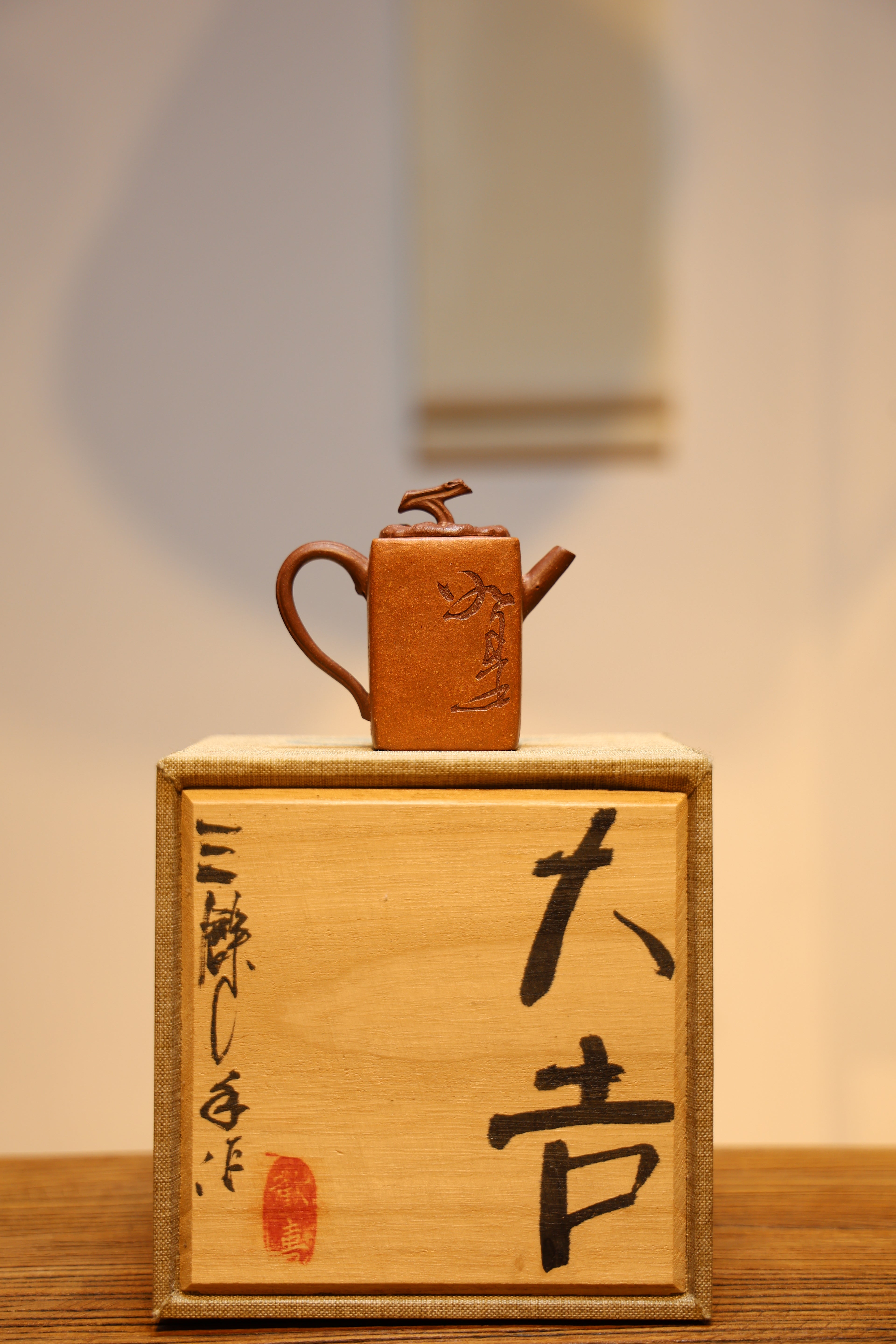
How can a Zisha Teapot customization option increase perceived value and exclusivity?
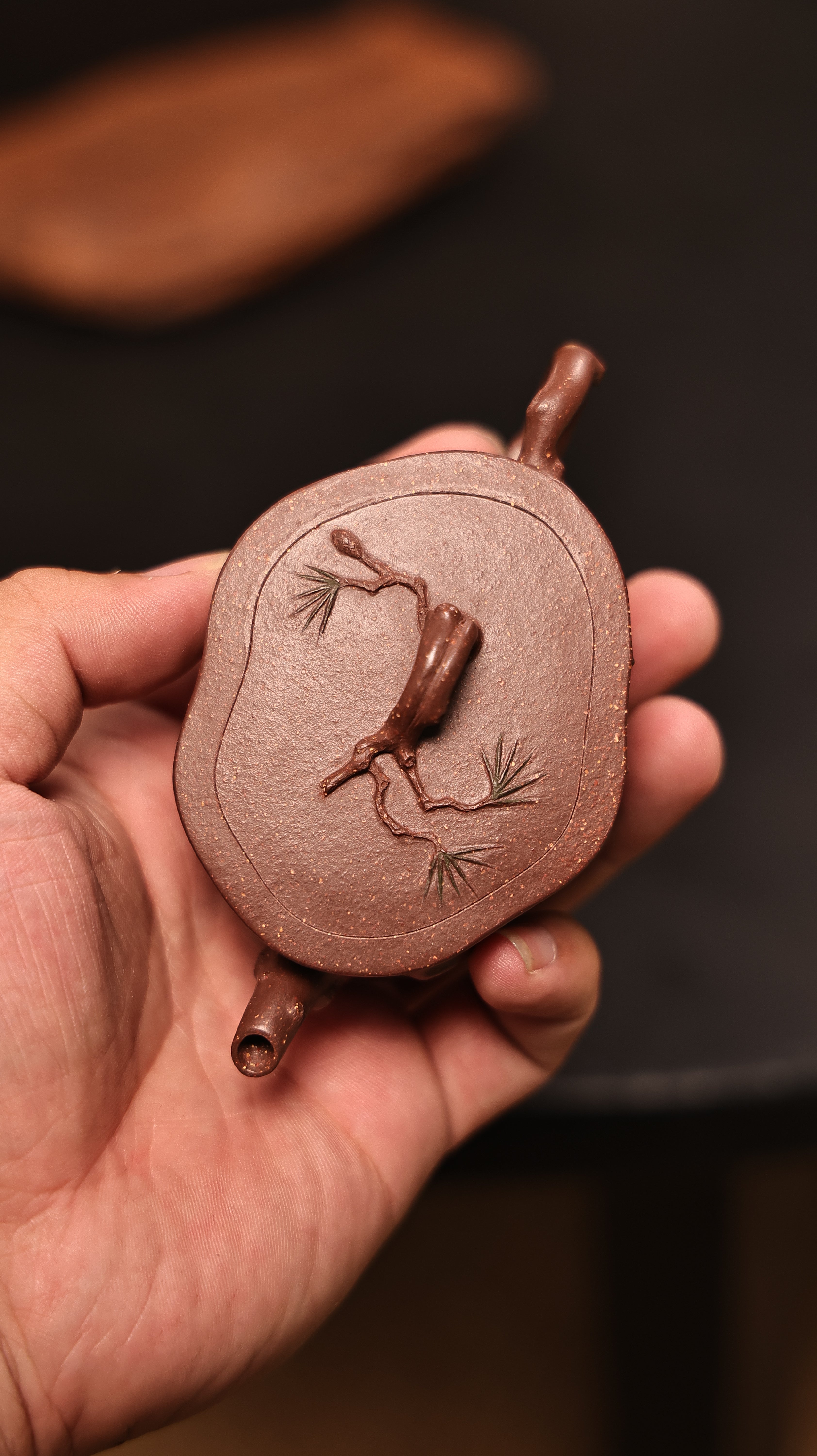
Lasting custom determines Yixing earthenware across decades,
Embodying unique traits taken out of homegrown mauve substances, such flasks accumulate a film during consumption, amplifying profile yielded from made potions.
Recognizing Yixing Sediment: Exhaustive Insights into Zisha
Diverse collectors respect the incomparable grain of Yixing indigo clay, a foundation of classic Chinese pottery. Appearing from the Yixing region of Jiangsu province, this valuable clay presents an detailed mineral makeup, which gives remarkable qualities to the completed pieces. Models within Zisha, including Jiang Mud, Duan Ni Mud, and Jiang Xi Mud, each presents unique colors, structures, and temperatures traits, altering the permeability and the ultimate profile progression of the brew.
Chinese Urn Legacies: Exploring Artistry
Asian teapots embody exceeding mere vessels for extract; they express centuries of historical technique. From the celebrated Yixing clay variations, respected for their permeable nature which gives unmatched flavors to the extract, to the refined porcelain from Jingdezhen, each piece narrates a record of commitment. The making process is an careful endeavor, often gifted through lineages of artists. These artisans use time-honored procedures such as hand-building, throwing on wheels, and refining, demonstrating profound reverence for the clay and the work itself. Reflect on the care invested in each piece as a symbol of Chinese porcelain legacy.
- Fine containers: a celebrated preference.
- Fine china teapots: distinguished by their delicate design.
- Shaping techniques: a challenging yet beneficial procedure.
Yixing Zisha Pitcher Care: Safeguarding Your Adored Belonging
Appropriate tending of your precious Yixing Zisha urn is necessary to safeguarding its integrity. Crafted from singular purple sand mud, these premium teapots mature a complex patina after practice, greatly boosting their allure. Stay away from agents; a soft rinse with moderate temperature hydraulic medium is sufficient. Refrain heated water for cleaning the teapot, as it may crack its composition. Allow it to become dry away from intense radiance. Consider flavoring your teapot regularly using choice tea, especially rich varieties. Here is a brief checklist:
- Swill with comfortably warm water.
- Refrain from chemical agents.
- Grant it to lose dampness.
- Season with fine tea.
Origins of Yixing Teapots: From Modest Roots
The chronicle of Yixing teapots launches basically during the Zhao dynasty, about the 16th era. Initially, these earthenwares were not the coveted objects they are perceived today. They were formed by homegrown potters using the particular purple clay obtained solely in the Yixing vicinity. These early artworks were principally utilitarian, created for habitual performance and often minimal in pattern. It was not until the successive dynasty that they launched to earn honor beyond mere utilitarian objects.
Deciding On the Best Chinese Vessel: A Novice's Guide
Venturing the territory of Yixing teapots can be complex, but resist resisting! For initiates, the key factor is understanding the soil. Authentic Yixing clay is prized for its openness, allowing the teapot to lock in the tea's profile over time, elevating every infusing session. Consider the profile; traditional orbicular shapes prevail, yet unique preferences weigh. Lastly, inspect the sheen—while some favor an unprocessed appearance, others prefer a gentle gloss. Take your time in the option process—this is an buying in a treasured piece of art.
Zisha Pitchers and Their Role on Chinese Beverage Lifestyle
Zisha jars, coming from Yixing, China, have profoundly defined customary Chinese drink culture. The Yixing clay teapots, prized for their particular shade, fabric, and exceptional ability to impart a subtle essence to the beverage, represent more than mere holders; they are admired pieces of art and symbols of renown. The very observance of preparing and serving brew using a Zisha teapot is steeped in tradition, elevating the experience beyond simple refreshment. Dynasties of artisans have refined their techniques, passed down through progenies, resulting in highly sought-after pieces. Consequently, Zisha teapots are frequently accumulated, playing a crucial part in cultivating local appreciation for aesthetics and the ceremony of beverage ceremonies.
- Singular Clay Composition
- Providing Subtle Flavor
- Detailed Craftsmanship
Determining Verified Precious Local Vessels
Collecting a original Yixing teapot can be a beneficial experience, but the realm is often overrun with replicas. Identifying between a true antique and a new reproduction requires exact inspection. Key signs include the clay's auburn shade, often displaying tiger skin marks, and the shortage of modern firing imprints. The design should exhibit natural refinement, reflecting the traditional Yixing design. Finally, evaluating the artisan's emblem is paramount to verify legitimacy against recorded testimonies.
- Assess the clay's feel.
- Look for irregularities, indicative of crafted quality.
- Consult an authority for evaluation.
Buying Eastern Pottery: A Extensive Explanation to 紫砂 Interpretation
The sector of Traditional Zisha Teapot Zisha teapots provides a exceptional option for shrewd collectors. More and more, the price of these custom artifacts is contingent by numerous attributes, such as the category of Zisha, the skill of the maker, the traditional value, and, naturally, the prevailing appetite. Apprentices should familiarize themselves on comprehending the numerous characteristics of Zisha clay—such as Binghu, Du Ning, and Hong Ni—and getting acquainted with the characteristics linked to each. Careful inspection of the vessel's shape, complexion, and badge is correspondingly paramount to make educated judgments when investing.