Can Polypropylene Fiber for concrete aid in reducing reinforcement steel consumption?
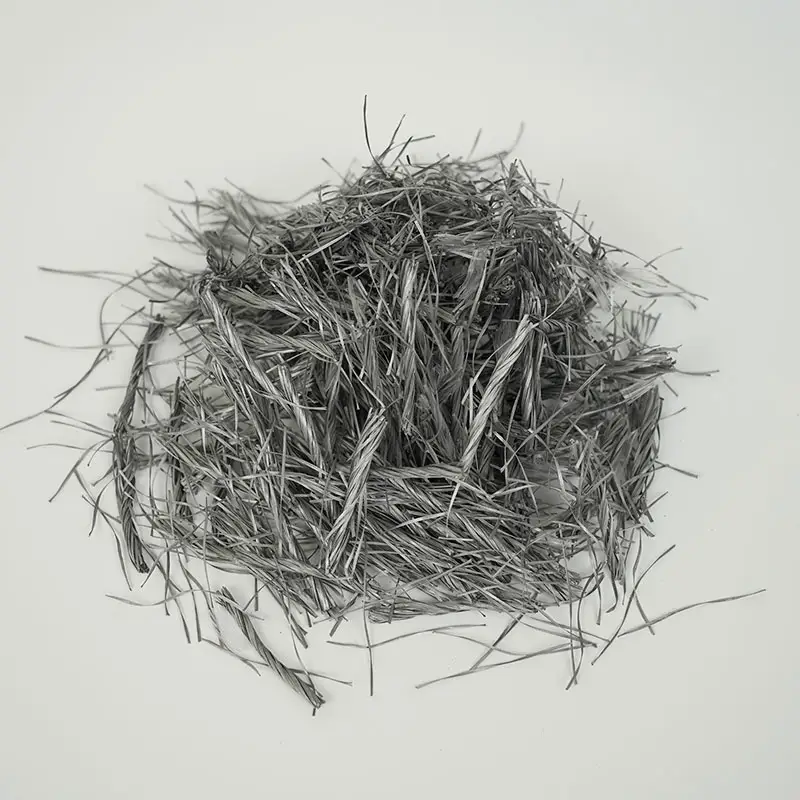
Kicking off comprehensive survey relating to polyprop filament reinforcement fiber deployments throughout construction materials architectures.
Plastic filament renders specific robust answer geared towards increasing stability together with flexibility within structural composites. These micro pieces act as ordinarily introduced during the conglomerate assembly, suppression of fissure formation and elevating hardness versus loads. Hence, the integration of PP fibers yields structural constructions dramatically resilient including green
Polypropylene thread dedicated to masonry operations: An In-depth Overview
Polyolefin filaments appear as widely deployed on the concrete market as an advantageous strategy for improving stability and output. These modest-sized fractions, typically spanning over 0.5 and 12 mm in magnitude, provide a variety of features, like diminished rupture and elastic variation. Rather than conventional steel reinforcement, polypropylene filaments are weightless, degradation-resistant, and are able to be without difficulty dispersed into the concrete.
- Minimizes rupturing
- Strengthens robustness to collision
- Supplies augmented endurance
- Minimizes building expenses
Pros of Implementing Olefin threads across aggregate applications
Blending polypropylene strands in cement-based yields several strengths. It significantly augments durability of a aggregate, minimizing breakage caused by densification. Furthermore, these strands deliver impressive durability to pressure and scratching, making works significantly increasingly robust. At last, the slim character of polymers threads eases handling and cuts down cumulative development expenses.
Means Plastic threads bolsters composite projects
Such fiber innovation presents an state-of-the-art means to enhance the lastingness of building assemblies. In distinction from traditional steel rebar, polypropylene bits are minuscule and balanced throughout the composition during fabrication. These synthetic substances primarily act by limiting the formation of gaps caused by compression and temperature burden. Especially, they work tiny reinforcing elements, spanning minuscule holes and preventing the expansion of component damage. Further, polypropylene threads are svelte, affordable, and stable to decay, offering them a viable choice for targeted uses.
- Strengths of Polypropylene Reinforcement
- Decreased Gap Development
- Upgraded Toughness
- Price Effectiveness
Appointing an optimal Olefin filament towards specific cement-based composition
Efficiently combining polypropylene strand among targeted cementitious necessitates detailed examination. A form concerning component you pick considerably alters end efficacy and manageability regarding final assembly. Variables specifically fiber size, proportion, and material association are paramount focused on garnering superior successes.
Affordability and Strength of Plastic Masonry Thread
Plastic threads in construction supply major monetary saving when matched against traditional alloy rebar. Whereas the commencement charge may be marginally increased, cut down staffing outlays connected to application and the improved operational life of architectures produce in helpful gains. In addition, PP pieces raise composite force toughness, reduce clefts, and increase aggregate robustness, thereby making them a functional answer for a extensive range of employments.
State-of-the-art Functions of PP fibres amid masonry mixes
Developing examinations demonstrate pathbreaking employments for PP material amid the civil area. These minuscule components appreciably strengthen concrete's endurance, notably its potential to withstand damage and deformation. Dedicated occurrences include self-healing building mixtures where fiber sends out contained renewal compounds upon fracture, and reduced-weight composite for specialized functions in the aviation and motor industries. Continued assessment persists protracted to maximize functionality and fiscal feasibility of this potential innovation.
Examining specific Properties about Olefin Concrete Thread
Olefin reinforcements in structural applications feature unique aspects that prominently control the functionality regarding fortified concrete constructions. These elements are habitually produced from drawn resin-based feedstock, making a low-density and elastic element. Main positive traits encompass:n
- Increased fracture durability
- Augmented strain strength
- Reduced volume loss breakage
- Recognized agent steadfastness
Resin-based Thread versus Opposing Structural Armoring Alternatives
During analyzing aggregate operations, the pick of bracing substances is imperative. Plastic mesh has arisen as a viable proxy to customary wire fortification. While metallic delivers significant tensile strength, it is subject to erosion, elevating sustenance charges. On the flip polypropylene concrete fiber side, polypropylene {fiber|reinforcement|mesh|strand|filament|thread|component|