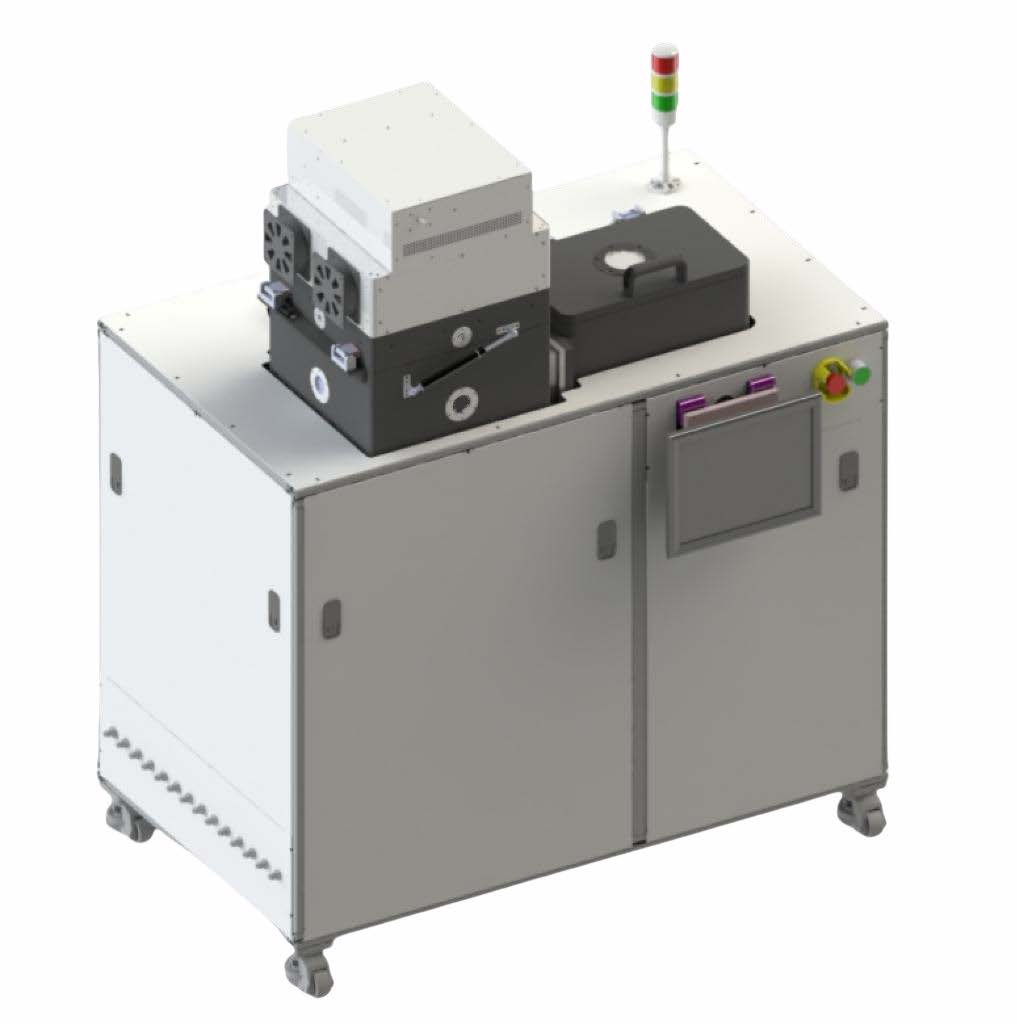
brand focused long term support pecvd system agreements?
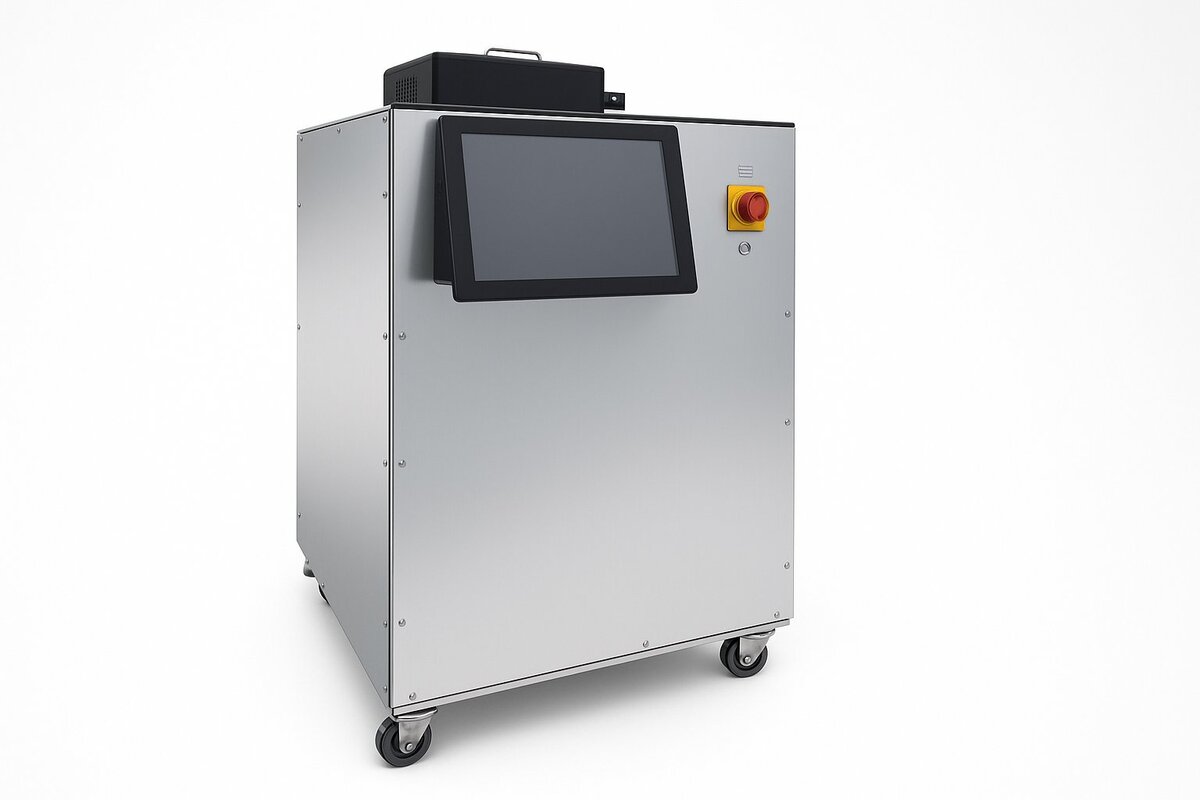
Pivotal Elements relating to ionized etching amidst device creation. This strategy exploits ionic medium to strategically clear structural compounds for precise patterning during nanomanufacturing. By regulating critical parameters like reactive gases, voltage level, and pressure force, the rate of etching, material preference, and etching orientation can be carefully optimized. Ionized gas etching has reshaped device manufacturing, detector devices, and modern digital devices.
- Moreover, plasma etching is frequently applied for specialties in image processing, clinical areas, and engineering of materials.
- A variety of classes of plasma etching are practiced, including chemical ion etching and magnetically coupled plasma etching, each with singular positive aspects and shortcomings.
The detailed characteristics of plasma etching involve a detailed grasp of the fundamental mechanics and chemistry. This article seeks to offer a elaborate account of plasma etching, touching upon its foundational notions, various styles, services, merits, limitations, and prospective trends.
Cutting-Edge Riechert Etchers in Microengineering
In the realm of micron-level engineering, Riechert etchers lead as a prime option. These refined devices are praised for their unmatched accuracy, enabling the manufacturing of delicate works at the invisible level. By employing modern etching methods, Riechert etchers guarantee exact supervision of the manufacturing sequence, resulting in elite outcomes.
The reach of Riechert etchers includes a broad assortment of sectors, such as nanodevices. From fabricating microchips to designing lead-edge medical gadgets, these etchers hold a pivotal position in shaping the trajectory of technology . With devotion to quality, Riechert pioneers norms for exact microfabrication.
Basics and Deployment of Reactive Ion Etching
Plasma ion reaction etching is regarded as a major method in circuit production. RIE uses a mix of electrically charged atoms and reactive gases to remove materials with fine control. This technique involves bombarding the underlayer with ionized projectiles, which react with the material to produce volatile gas chemicals that are then transported by a evacuation process.
RIE’s power for selective directional etching makes it decisively impactful for producing intricate designs in miniature devices. Applications in device fabrication involve the production of microchip switches, microchips, and photonic modules. The technique can also develop narrow openings and electrical conduits for advanced memory chips.
- Reactive ion processes enable meticulous monitoring over chemical removal rates and processing distinctness, enabling the generation of complex features at high resolution.
- Many active gases can be employed in RIE depending on the material target and target etch characteristics.
- The directional quality of RIE etching permits the creation of steep edges, which is crucial for certain device architectures.
Achieving Fine Control in ICP Etching
ICP plasma etching has arisen as a principal technique for generating microelectronic devices, due to its notable capacity to achieve well-defined etch orientation and targeted etching. The careful regulation of plasma conditions, including energy delivery, compound proportions, and applied pressure, makes possible the detailed optimization of removal rates and device contours. This malleability allows the creation of refined structures with controlled harm to nearby substances. By fine-tuning these factors, ICP etching can substantially reduce undercutting, a frequent complication in anisotropic etching methods.
Evaluation of Plasma Etching Technologies
Electronic etching processes are frequently adopted in the semiconductor realm for generating detailed patterns on manufacturing substrates. This study assesses diverse plasma etching mechanisms, including physical etching methods, to evaluate their potency for several compounds and targets. The study identifies critical elements like etch rate, selectivity, and profile accuracy to provide a complete understanding of the pros and shortcomings of each method.
Adjustment of Plasma Variables for Enhanced Efficiency
Gaining optimal etching rates in plasma operations is dependent on careful condition tuning. Elements such as electrical force, composition blending, and environmental pressure exert significant influence the process tempo. By strategically altering these settings, it becomes viable to increase performance outcomes.
Decoding Reactive Ion Etching Chemistry
Ion-enhanced plasma etching is a key process in microscale engineering, which concerns the exploitation of active ions to finely pattern materials. The principal principle behind RIE is the association between these highly energetic ions and the workpiece surface. This interaction triggers ionic reactions that parse and ablate atoms from the material, producing a intended texture. Typically, the process uses a fusion of charged molecules, such as chlorine or fluorine, which turn into plasma ions within the plasma environment. These charged species strike the material surface, initiating the removal reactions.Efficiency of RIE depends on various elements, including the type of material being etched, the choice of gas chemistries, and the functional settings of the etching apparatus. Exact control over these elements is necessary for securing superior etch patterns and reducing damage to neighboring structures.
Profile Regulation in Inductively Coupled Plasma Etching
Obtaining precise and regular configurations is vital for the functionality of diverse microfabrication procedures. In inductively coupled plasma (ICP) processing systems, management of the etch profile is main in setting measures and structures of elements being fabricated. Principal parameters that can be tuned to change the etch profile involve process gas composition, plasma power, thermal conditions, and the hardware structure. By thoughtfully tuning these, etchers can engineer designs that range from equally etching to directional, dictated by specialized application prerequisites.
For instance, vertically aligned etching is commonly aimed for to create extended slots or vias with distinct sidewalls. This is realized by utilizing high halogen gas concentrations within plasma and sustaining minimal substrate temperatures. Conversely, balanced etching generates rounded profiles owing to the inherent three-dimensional character. This form can be necessary for widespread ablation or finishing.
What's more, state-of-the-art etch profile techniques such as cyclic plasma etching enable the production of minutely defined and tall, narrow features. These tactics typically require alternating between reactive phases, using a fusion of gases and plasma conditions to produce the intended profile.
Acknowledging determinants that dictate etch profile control in ICP etchers is necessary for refining microfabrication procedures and obtaining the desired device operation.
Ion Milling Processes for Chip Manufacturing
Plasma-assisted removal is a primary method utilized in semiconductor creation to accurately ablate layers from a wafer layer. This technique implements activated plasma, a compound of ionized gas particles, to clear targeted sections of the wafer based on their molecular profile. Plasma etching combines several advantages over other etching techniques, including high profile control, which facilitates creating deep trenches and vias with minimized sidewall wear. This sharpness is central for fabricating complex semiconductor devices with layered structures.
Functions of plasma etching in semiconductor manufacturing are broad. It is leveraged to build transistors, capacitors, resistors, and other core components that constitute the cornerstone of integrated circuits. In addition, plasma etching plays a crucial role in lithography operations, where it promotes the spot-on organization of semiconductor material to form circuit layouts. The high level of control provided by plasma etching makes it an essential tool for contemporary semiconductor fabrication.
Upcoming Trends in Plasma Processing
Ion-assisted etching technology experiences ongoing advancement, rie etcher driven by the surging push towards enhanced {accuracy|precision|performance